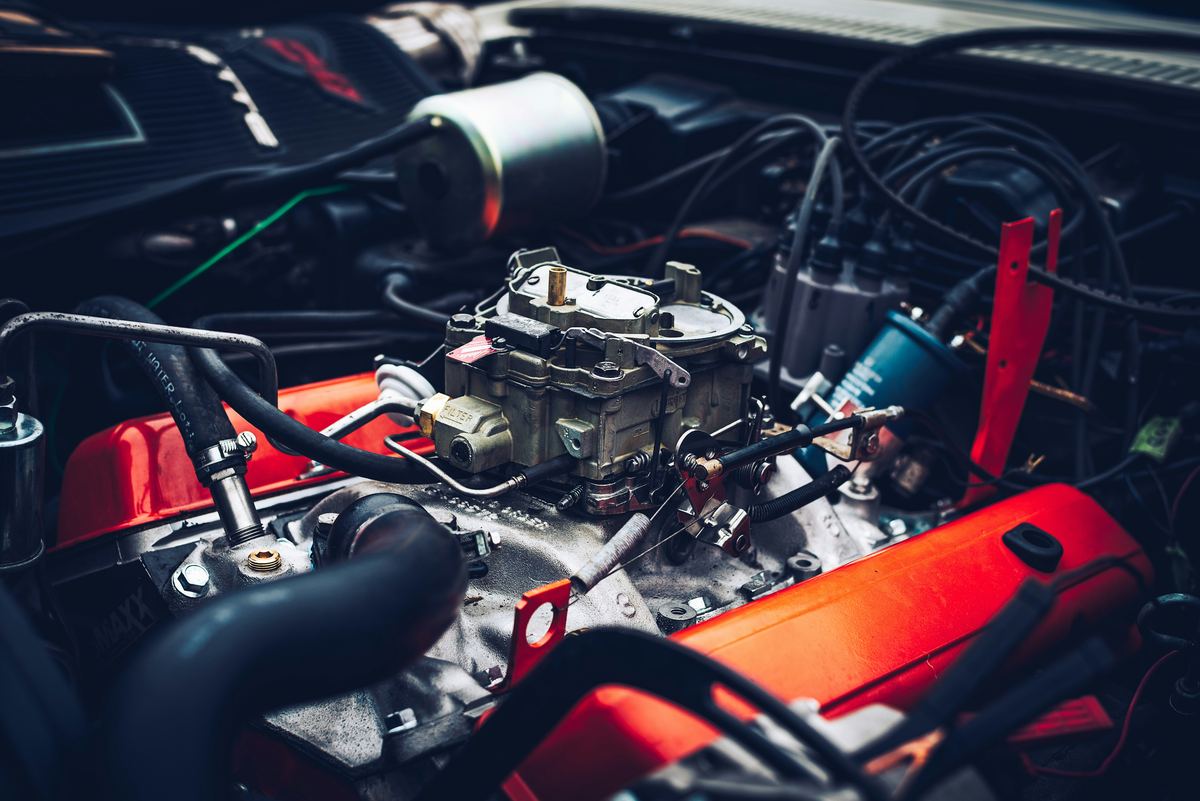
A burning smell after driving usually means something is getting too hot or leaking onto a hot part of the engine or exhaust. The most common causes are an oil leak dripping onto the exhaust, leaking coolant, overheated brakes, a slipping belt, or something stuck to the exhaust. The exact type of smell is your best clue to the cause.
Some smells are harmless, but others, like an electrical burning smell or smoke, mean you should stop driving right away.
⚠️ When to Stop Immediately
Pull over safely, turn off the engine, and get everyone out of the car if you notice:
- Smoke coming from under the hood or the dashboard
- An electrical burning smell (sharp, like burning plastic insulation)
- A strong raw gasoline smell
- The temperature gauge rising into the red
If there’s heavy smoke or flames, don’t open the hood. Move away from the car and call 911. You can find more vehicle fire safety tips from the National Fire Protection Association at nfpa.org.
Burning Smell After Driving: 8 Causes by Smell Type
1. Burning Oil Smell
A thick, acrid smell, often with light blue-gray smoke from under the hood. Oil is leaking onto the hot exhaust manifold, commonly from a worn valve cover gasket or oil pan gasket.
Other causes: oil spilled during a recent oil change, a loose oil filter or drain plug, or an overfilled engine.
What to do: check the dipstick and look for oil around the top of the engine and under the car. A spill from an oil change usually burns off within a few days; an ongoing leak needs repair.
2. Sweet, Syrupy Smell (Burning Coolant)
Coolant (antifreeze) has a sweet smell. If you smell it after driving, coolant is leaking onto hot parts, from a hose, the radiator, or the water pump.
Inside the car: a sweet smell with foggy windows or damp carpet on the passenger side often means a leaking heater core.
What to do: when the engine is completely cool, check the coolant reservoir level. Never open a hot radiator cap. Watch your temperature gauge closely, because low coolant can overheat the engine.
3. Burning Rubber Smell
Usually a slipping serpentine belt, a rubber hose touching a hot part, or a stuck pulley or tensioner.
Signs: squealing when starting or accelerating, visible belt wear or cracking.
What to do: inspect the belt and hoses with the engine off. A slipping belt should be replaced, since it drives important parts like the alternator and water pump.
4. Burning Plastic Smell
Often a plastic bag or road debris stuck to the exhaust, which melts and smells strongly.
What to do: once the car is cool, look underneath along the exhaust pipe. If you find melted plastic, carefully scrape off what you can. If you can’t find anything, treat it as a possible electrical problem (see #7).
5. Hot Brakes Smell
A sharp, chemical, or metallic burning smell, often near one wheel. Common after long downhill drives or heavy braking. It can also mean a sticking brake caliper or a parking brake left on.
What to do: make sure the parking brake is fully released. If one wheel is much hotter than the others after a normal drive, a caliper may be sticking; see our guide on why a car shakes when braking at high speed, which covers sticking calipers.
6. Burning Clutch Smell (Manual Cars)
Similar to burning paper or hot brakes. Caused by riding the clutch, slipping it on hills, or a worn clutch that slips under acceleration.
Signs: engine revs rise but the car doesn’t speed up as much.
What to do: avoid resting your foot on the clutch pedal. If it slips during normal driving, the clutch likely needs replacement.
7. Electrical Burning Smell
A sharp, acrid smell like burning plastic insulation, sometimes with a blown fuse, flickering lights, or features that stop working. It can come from a short circuit, a failing blower motor or resistor, or overheated wiring.
What to do: treat this as serious. Stop driving and have it inspected, because electrical faults can cause fires.
8. Rotten Egg (Sulfur) Smell
Not exactly “burning,” but often described that way. Usually a failing catalytic converter or an engine running too rich. In some cars, old gear oil leaking from the transmission or differential also smells sulfurous.
Signs: check engine light, reduced power, poor fuel economy.
What to do: have the engine codes read and the exhaust system inspected.
When a Burning Smell Is Normal
- New car: coatings and adhesives can burn off during the first few hundred miles.
- New brakes: pads release a smell during the first few stops while they bed in.
- After an oil change: a small spill can smell for a few days.
- After heavy use: towing, mountain driving, or hard braking can cause a temporary hot smell.
If the smell doesn’t go away within a few days, or keeps getting stronger, have it checked.
DIY Checks You Can Do
- Identify the smell type using the list above.
- Look for smoke and where it’s coming from (engine, a wheel, under the car).
- Check the fluids once the engine is cool: oil on the dipstick, coolant in the reservoir.
- Look under the car for drips. Black or brown usually means oil; green, orange, or pink means coolant; red often means transmission fluid.
- Check the wheels: carefully hold your hand near (not on) each wheel to find one that’s much hotter.
- Inspect the exhaust for melted plastic or debris.
- Look at the belts and hoses for cracks, wear, or contact with hot parts.
Typical Repair Costs
Rough US estimates; prices vary by vehicle and location:
- Removing debris from the exhaust: free (DIY)
- Serpentine belt: about $100–$250
- Coolant hose: about $100–$300
- Valve cover gasket: about $150–$400
- Oil pan gasket: about $150–$500+
- Brake caliper (each): about $250–$500
- Heater core: about $500–$1,500+
- Clutch replacement: about $1,000–$2,500
- Catalytic converter: about $1,000–$2,500+
FAQ
Is it normal to smell burning after driving?
Occasionally, yes, such as with a new car, new brakes, or after a recent oil change. A persistent or strong smell is not normal and should be checked.
Why does my car smell like burning oil but there’s no leak?
The leak may be small and only visible when the engine is hot, or oil may have been spilled during an oil change. Look closely around the valve cover and oil filter.
What does a burning coolant smell like?
Sweet, like syrup or maple. It often comes with steam or white smoke, or foggy windows if the heater core is leaking.
Can I drive with a burning smell?
It depends on the cause. A smell from a recent oil change is usually harmless, but electrical smells, smoke, raw fuel smells, or overheating mean you should stop driving and get the car inspected.
Safety note: A burning smell can signal a fire risk. When in doubt, stop the car in a safe place and have it inspected by a certified mechanic.
2 thoughts on “Burning Smell After Driving? 8 Causes by Smell Type (and What to Do)”