
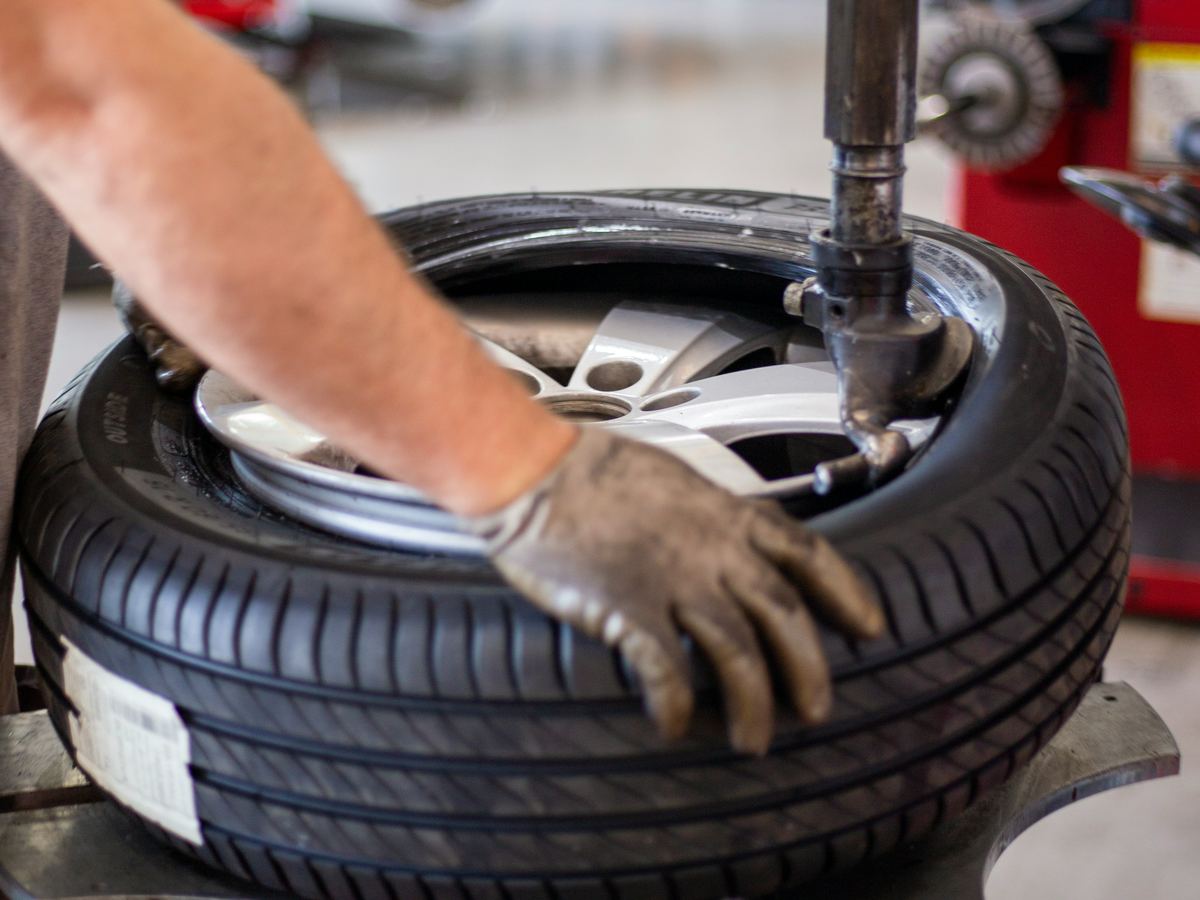
Most of the time, a car pulling to one side comes down to uneven tire pressure, bad wheel alignment, or uneven tire wear. Other causes include a sticking brake caliper, worn suspension parts, or a tire defect. A slight drift can also come from the road itself, because most roads are slightly sloped for drainage.
In this guide
When Does It Pull?
- All the time while driving: usually tire pressure, alignment, or tires.
- Only when braking: often a sticking caliper or other brake problem.
- Only when accelerating hard (front-wheel drive): often normal torque steer, or worn engine mounts or CV axles.
- Started after hitting a pothole or curb: likely alignment or suspension damage.
7 Causes of a Car Pulling to One Side
1. Uneven Tire Pressure (Most Common)
A tire with lower pressure has more drag, so the car pulls toward that side.
Fix: set all tires to the pressure on your driver’s door sticker. If a light is on, see tire pressure light on but tires are fine.
2. Bad Wheel Alignment
Hitting potholes, curbs, or worn parts can knock the wheels out of alignment.
Signs: the steering wheel is off-center when driving straight, and tires wear unevenly.
Fix: a wheel alignment. Worn steering parts can also let the car wander, along with noticeable play in steering wheel around the center. If the car goes straight but the wheel sits crooked, see our guide to a steering wheel off center.
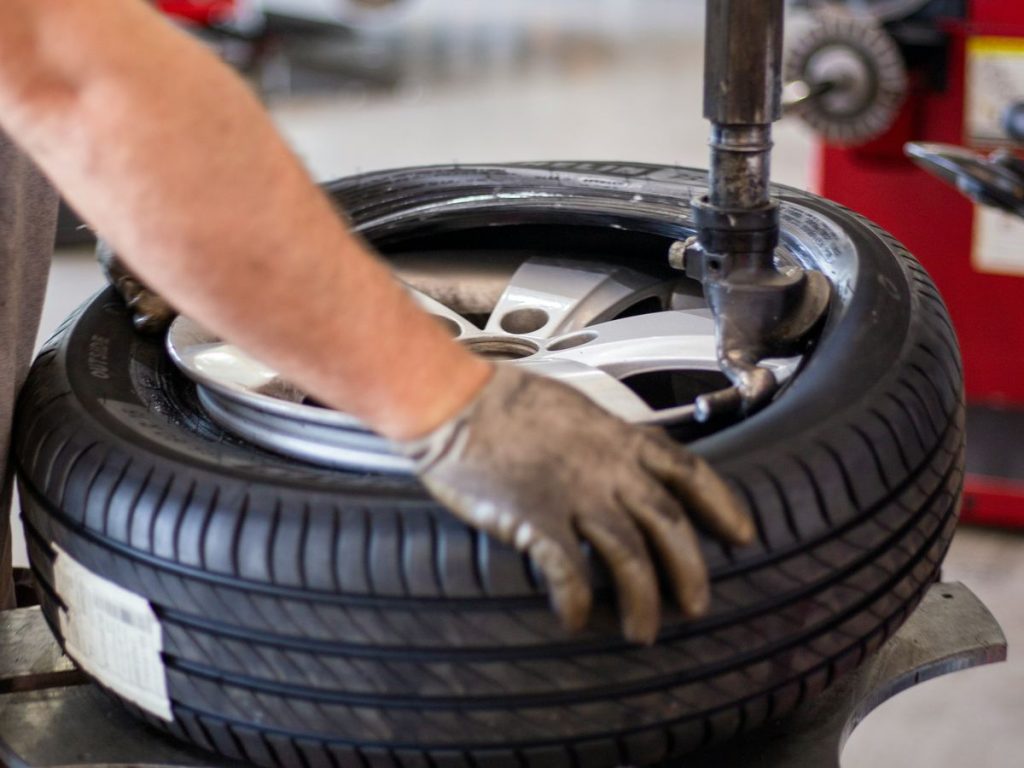
3. Uneven Tire Wear or a Tire Defect (“Radial Pull”)
A worn tire, or a tire with an internal defect, can cause a pull even when alignment is perfect.
Test: swap the two front tires side to side. If the pull switches direction, a tire is the cause.
Fix: replace the faulty tire.
4. Sticking Brake Caliper
A caliper that doesn’t release keeps one wheel slightly braked.
Signs: pulling that gets worse when braking, a burning smell, one wheel much hotter than the others, sometimes grinding (see grinding noise when braking).
Fix: service or replace the caliper. A sticking caliper often causes a grinding noise while driving too, along with one wheel running hot. If the pull only happens when you press the brake pedal, see why a car pulls to one side when braking.
5. Worn Suspension or Steering Parts
Worn tie rods, ball joints, or control arm bushings let the wheel shift out of position.
Signs: loose steering, clunking over bumps, sometimes a clicking noise when turning.
Fix: replace the worn parts, then align the wheels. If the steering also feels unusually heavy, see steering wheel hard to turn. If the car wanders and the steering feels loose, worn tie rods or ball joints are likely.
6. Road Crown
Most roads are slightly higher in the middle so water drains off. That can make any car drift gently toward the edge.
Test: drive on a flat, empty parking lot. If the car goes straight there, it’s the road.
7. Torque Steer
Powerful front-wheel-drive cars may tug slightly to one side under hard acceleration. A mild pull is normal; a strong or new pull can mean worn engine mounts or CV axles.
Is It Safe to Drive?
A mild pull usually isn’t an emergency, but get it checked soon, because it wears tires faster. A sudden or strong pull, especially when braking, can be a brake or suspension problem: get it inspected right away. Steering vibration is a related warning sign; see steering wheel shakes at high speed. Worn ball joints can cause this too; see bad ball joint symptoms.
It only takes a minute to enter your VIN in the NHTSA recall lookup and see whether a free recall repair applies.
Typical Repair Costs
Rough US estimates; prices vary by vehicle and location:
- Tire pressure adjustment: free to a few dollars
- Tire rotation: about $25–$50
- Wheel alignment: about $100–$200
- Tie rod end or ball joint: about $150–$400 each, plus alignment
- Brake caliper: about $250–$500 each
- Tire replacement: about $100–$300+ per tire
FAQ
Why does my car pull to the right?
Often because the road slopes to the right for drainage. If it also pulls on flat ground, check tire pressure and alignment.
Can low tire pressure cause pulling?
Yes. It’s the most common and easiest cause to fix.
Why does my car pull when I brake?
Usually a sticking caliper, uneven pad wear, or a damaged brake hose on one side. Have the brakes checked soon. If the pull only happens when braking, our guide to brake pads vs rotors explains what to check on each side.
Safety note: Pulling when braking can signal a brake problem. If the pull is strong or sudden, have your car inspected by a certified mechanic.